AboutWhat is Sousei Kagura
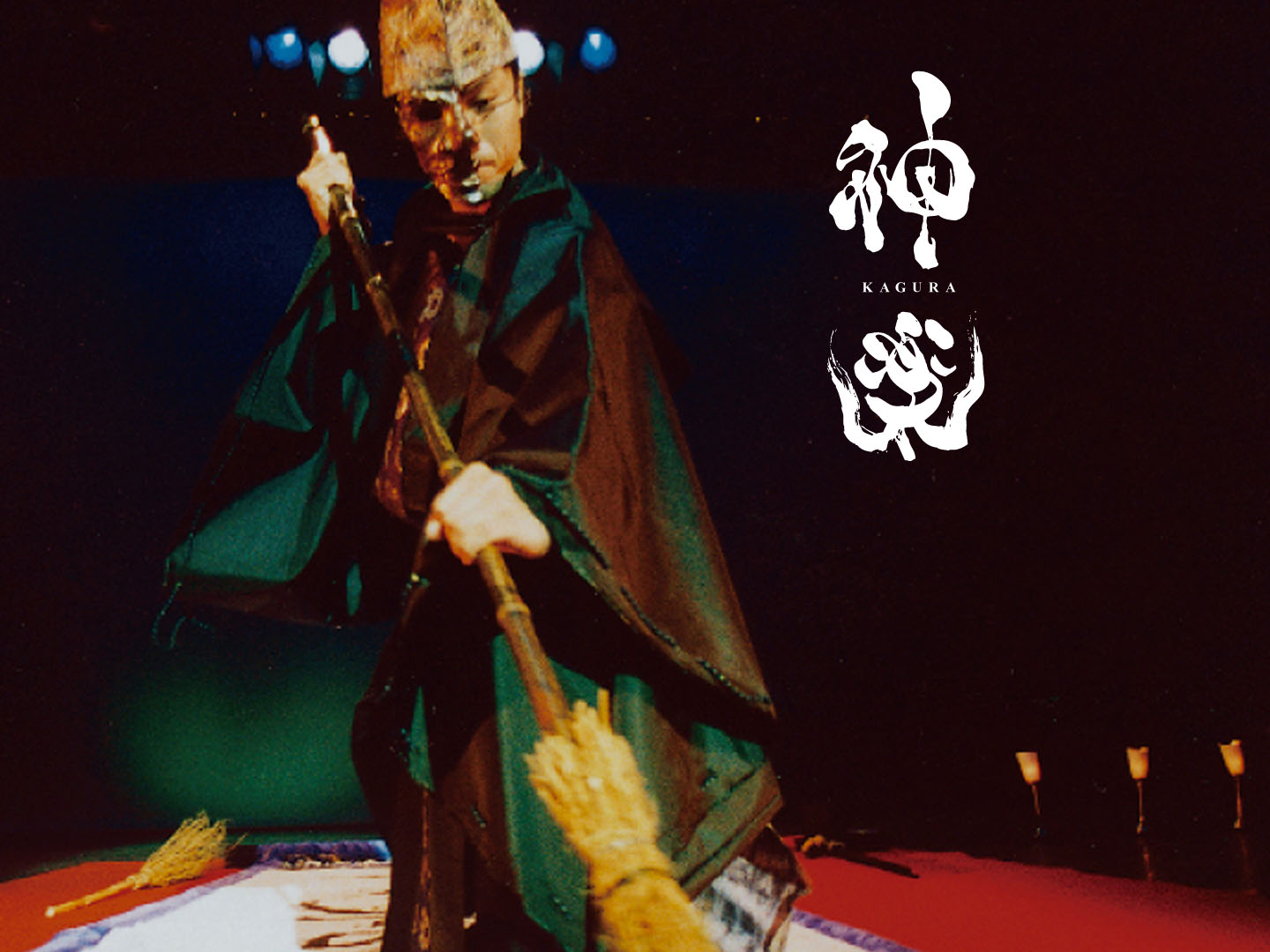
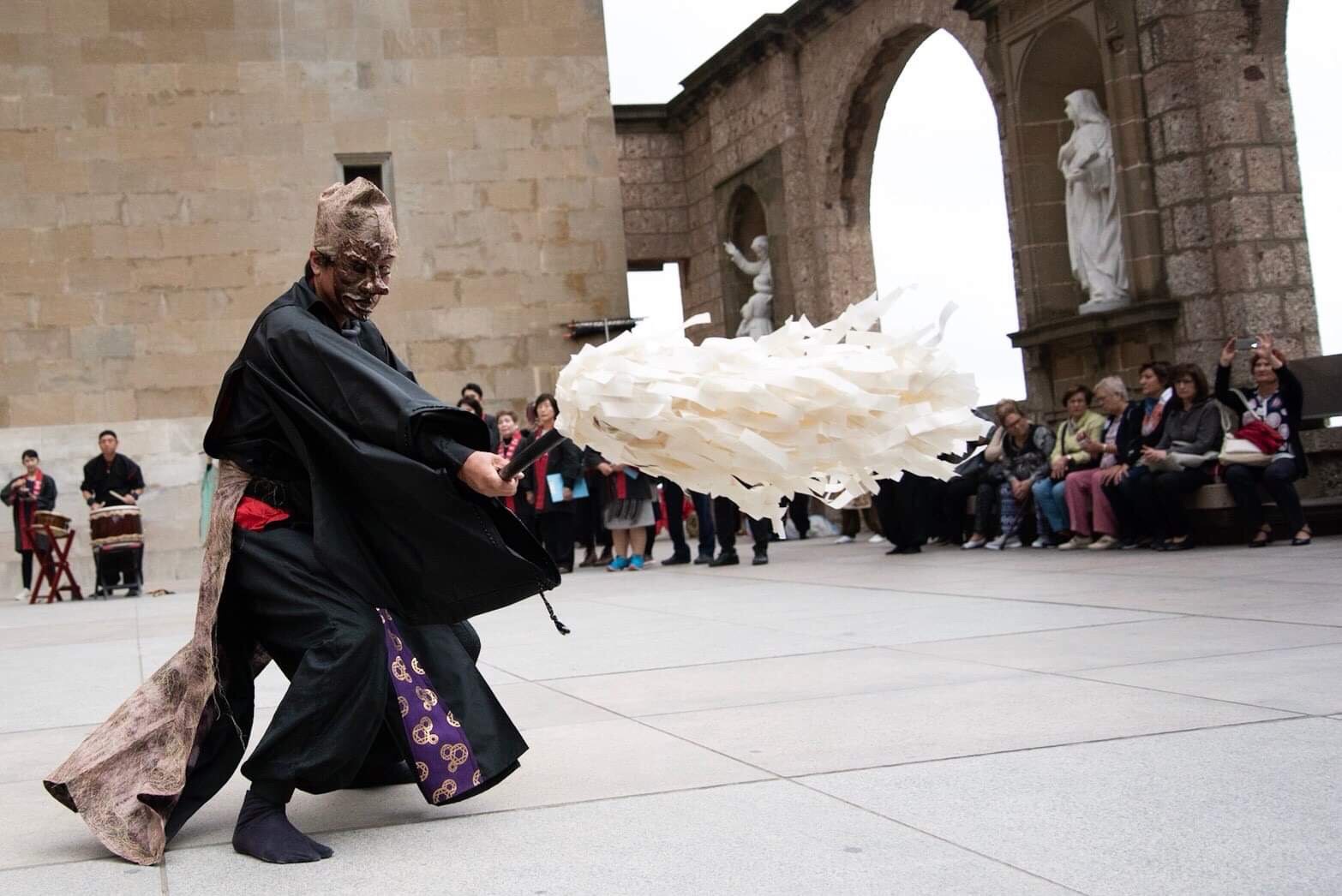
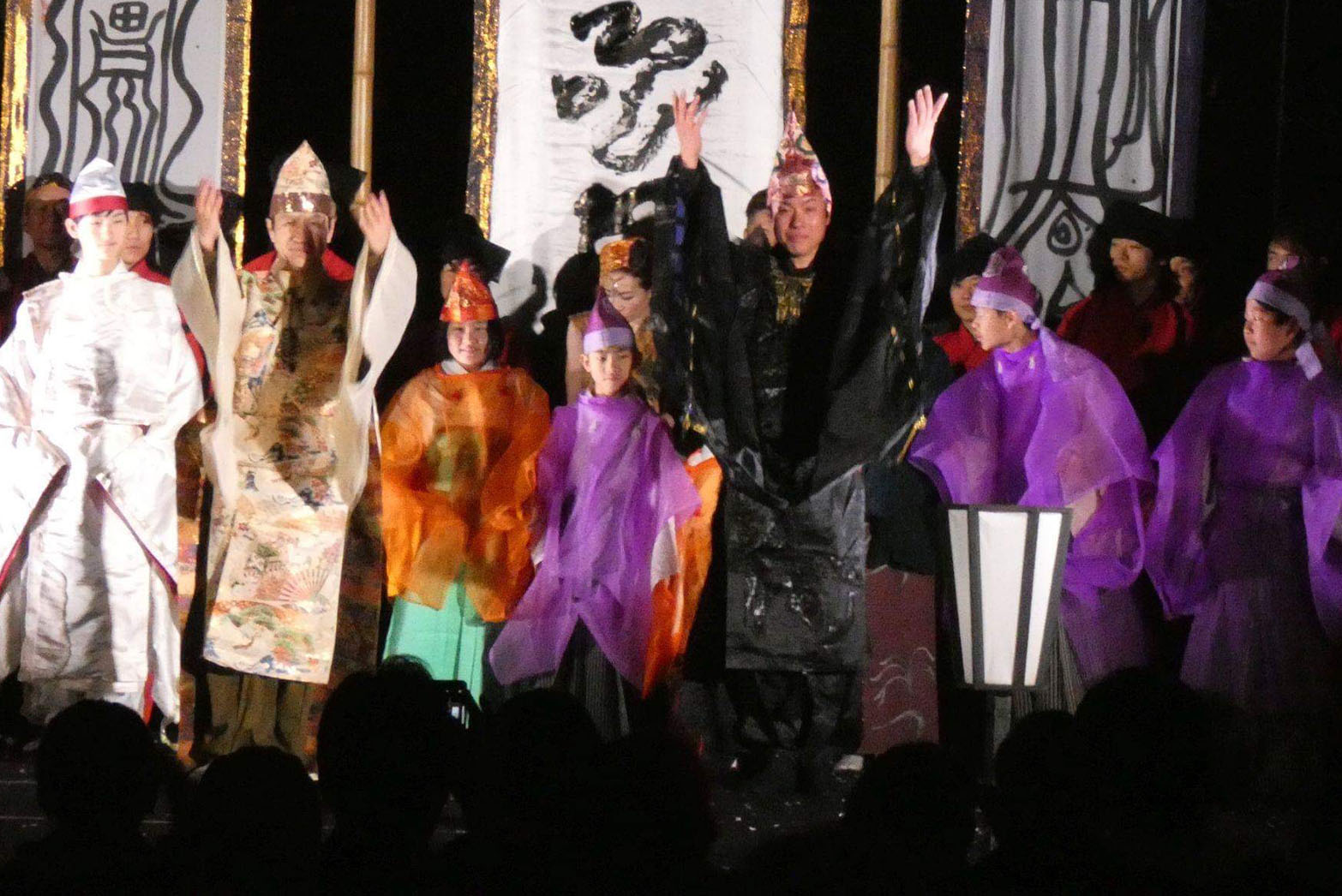
Breathing new life into traditional kagura. From the sacred groves of Japan's shrines to stages around the world, we have dedicated dances of prayer and spirit.
In Japan, it has long been believed that deities dwell in all manner of things — the yaoyorozu no kami, the "eight million gods" — and such beliefs have been handed down in the folk tales and myths of each region. Even today, it is said that some 90 million people in Japan take part in hatsumode, the first shrine visit of the New Year, and prayer remains woven into everyday life and culture.
The Japanese word for prayer, inoru, has its root in i-noru — "to declare one's will." To pray is not to ask the gods for favors, but to voice one's own resolve: "I will give my utmost — please lend me your strength." Prayer, in other words, is a declaration of intent.
Kagura is singing and dancing performed as a dedication to the gods in Japanese Shinto rituals. It is performed at events such as shrine festivals, and occasionally at temples. If the shrine has a kagura hall, it is usually performed there. The word "kagura" is generally thought to have evolved from "kamukura" or "kamikura", which means the place where the gods live, a place for invocation of the dead and requiems. The gods descend to the kamukura, the shrine maidens cleanse people's impurities and are possessed by the gods while interacting with people, and the singing and dancing they perform there has come to be called kagura.
Sousei Kagura was founded by Hiroaki Omote based on his learning from a young age about the ancient movements, forms, and etiquette found in ancient Japanese Shinto, shugendo, and kobudo. As a result, the idea of "Neo Japanesque" (learn from the past and create the future) was born, and it forms the basis of this organization. Based on this concept, Hiroaki Omote produced performances and choreography while retaining the main current of kagura, which is the source of our traditional culture. Retaining kagura's original form, means of expression and other aspects of how we dedicate feelings of veneration for the gods and nature, the content is suitable for modern kagura. Since it was first performed on stage in the former West Germany in 1985, it has been performed and exhibited in 20 cities in Japan and overseas to convey our unique philosophy called "Neo Japanesque".
PerformancesOn Stage
FilmsVideos
Full version
Shorts version